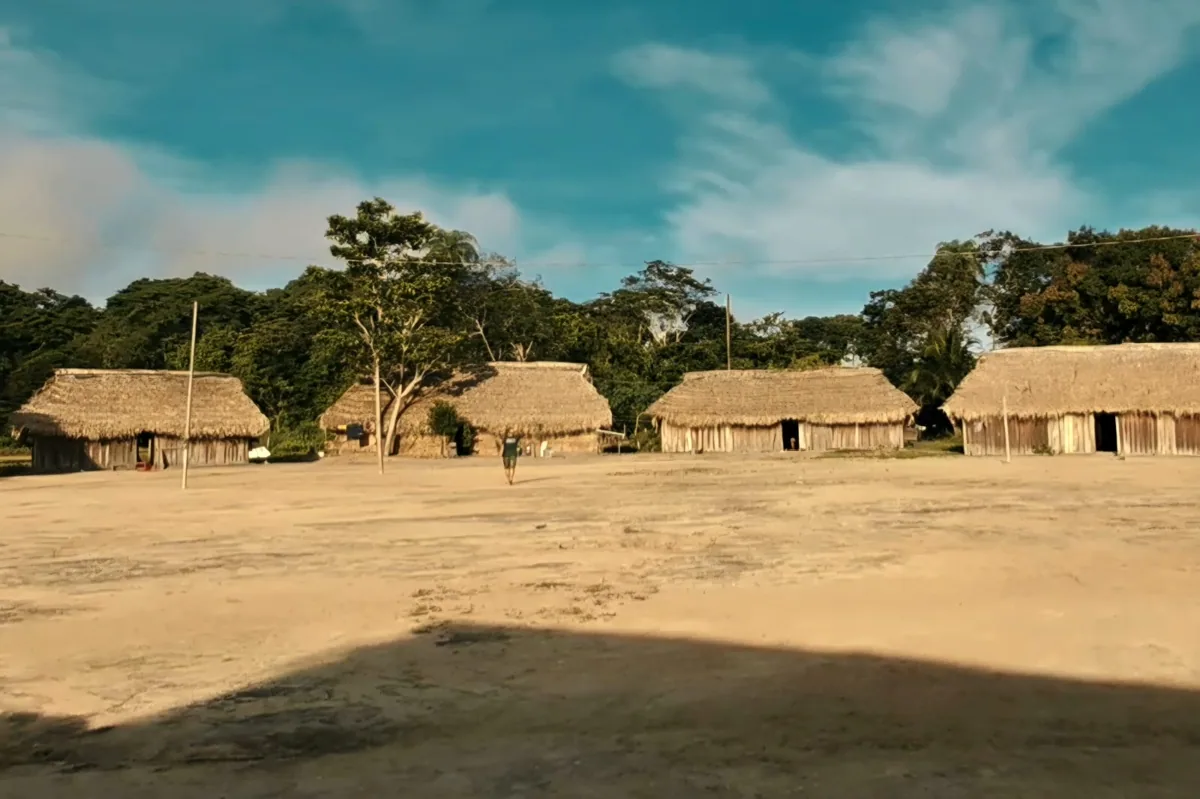
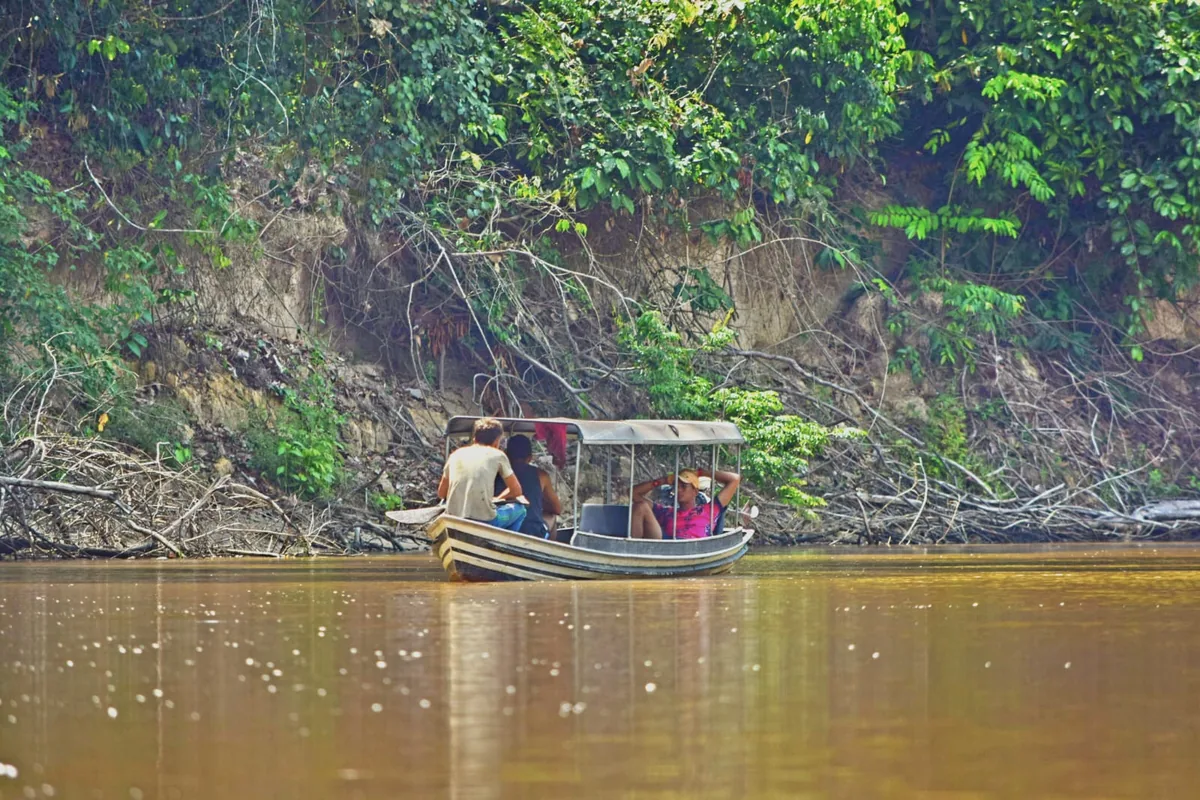
Japiim supports organizations working in the Amazon to understand territorial contexts, assess risks, and structure relationships and participatory processes before important decisions are made.
Better decisions begin with a clear understanding of context.
Territorial projects and decisions can rarely be understood through documents, maps, or data alone. Japiim combines research, fieldwork, analysis, and listening to identify what truly matters in each context.
01
Territorial Intelligence and Applied Research
Understand the territory before taking action.
We produce analyses for organizations that need to understand a territory, its actors, and its dynamics before initiating, expanding, or redesigning their work.
We combine field research, interviews, documents, territorial data, and institutional analysis to reconstruct context, history, governance, relationships, and critical issues—turning dispersed information into a structured basis for strategy and decision-making.
The work may result in territorial assessments, stakeholder maps, executive briefings, scenarios, and recommendations.
02
Social and Territorial Due Diligence
Verify before taking on a risk.
We conduct independent analyses of projects, partners, processes, and initiatives to compare what is formally presented with the evidence available in the territory.
We examine rights, governance, representation, documentation, participatory processes, and other material factors to identify red flags, inconsistencies, gaps, and conditions that may affect the viability or legitimacy of a decision.
The analysis may also include an assessment of consultation and Free, Prior and Informed Consent (FPIC) processes already carried out, enabling the organization to decide whether to proceed, seek clarification, establish conditions, or reassess an initiative.
03
Governance and Participatory Processes
Structure processes that can produce legitimate and workable decisions.
We support organizations, communities, and partners in structuring governance, representation, participation, and decision-making mechanisms suited to the context in which they work.
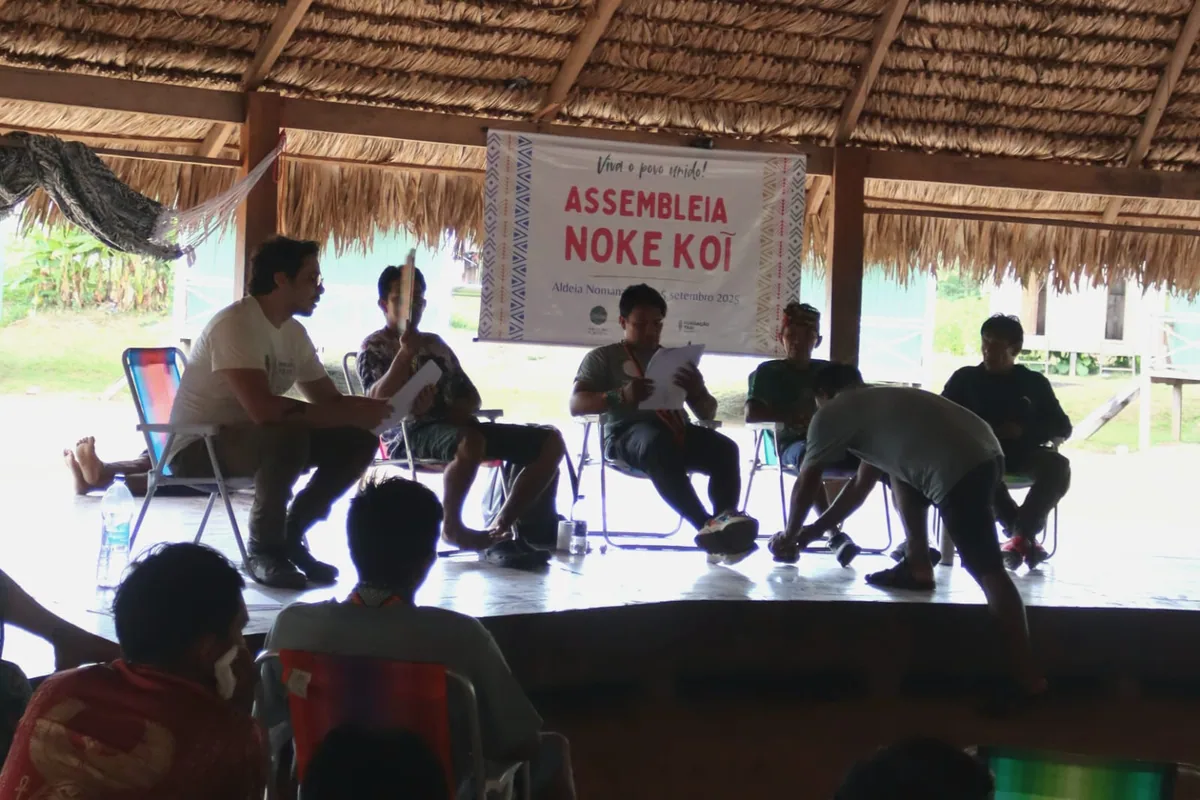
The work may involve institutional design, rules and responsibilities, assembly processes, participatory mechanisms, facilitation, and methodological support for preparing and conducting consultations.
In FPIC processes, Japiim can contribute to planning, methodological design, preparation, follow-up, and documentation, respecting the distinct forms of organization and decision-making of the peoples and communities involved.
Tailored Engagements
Not every territorial challenge fits into a category.
Some needs combine research, due diligence, governance, fieldwork, and participation. In those cases, we structure a specific scope based on the problem to be addressed, the decision at stake, and the territory's concrete conditions.
The scope begins with the problem—not a ready-made solution.
02Experience
Experience across Amazonian territories
Applied experience across diverse Amazonian contexts
Japiim brings together experience in research, analysis, governance, coordination, and fieldwork across different Amazonian contexts. The territories below represent situations in which understanding relationships, institutions, rights, and local conditions was necessary to structure projects, processes, or decisions.
The experience presented brings together work carried out by Japiim Lab and across its founder’s professional trajectory in different roles, projects, and organizations.
Contexts in the Amazon
The points represent experience associated with these contexts and do not indicate work across the full extent of the territories. Views at different scales.
State base: IBGE. Context markers, not territorial boundaries.
Presence, research, and context
Experience built in the field
The work starts with direct experience in territories and engagement with local organizations and actors. The highlighted contexts represent distinct experiences in research, governance, coordination, and socio-environmental strategy.
Explore the markers or select a context.
Experience built in the field
The work starts with direct experience in territories and engagement with local organizations and actors. The highlighted contexts represent distinct experiences in research, governance, coordination, and socio-environmental strategy.
Swipe through the cards or select a marker.
01 · AC
Indigenous governance
Institutional design
Association processes
Legal and institutional support for the governance processes of Indigenous organizations, including workshops, assemblies, analysis of association rules, internal procedures, and questions of representation and decision-making.
02 · AC
Governance
Collective representation
Institutional design
Support for building a collective representation structure involving different leaders and territorial contexts. The work included coordination, discussion of governance models, preparation of assembly processes, and support for institutional formalization requirements.
03 · AC
Territorial feasibility
Project structuring
Coordination
Support for translating a socio-environmental and educational initiative into concrete conditions for implementation in the territory. The work involved feasibility research, mapping costs and suppliers, logistical analysis, and coordination between the project design, external partners, and the realities of local delivery.
04 · AC
Participatory assessment
Project structuring
Institutional strengthening
An ongoing process of listening and work with leaders to identify priorities, organize territorial and institutional information, and turn it into a structured initiative. The work involved designing objectives, activities, budgets, evidence, and an implementation and fundraising strategy.
05 · AC
Field operations
Community coordination
Team contextualization
Support for planning and delivering a multidisciplinary health initiative in remote-access extractive communities, involving team preparation, community coordination, territorial support, and adaptation of activities to local conditions.
06 · AC
Territorial orientation
Local coordination
Local knowledge
Territorial preparation for an external team working in the Juruá Valley, combining contextual reading, engagement with residents, and dialogue with holders of local knowledge to incorporate sociocultural and territorial references into fieldwork planning.
07 · AC
Territorial assessment
Socioeconomic research
Facilitation
Conducting a territorial assessment through multiple stages of fieldwork, combining interviews with families, socioeconomic data collection, observation of land occupation and use, and analysis of land-tenure information. The work also involved ongoing dialogue and facilitation between actors with differing interests, organizing social and territorial evidence to support negotiation and decision-making.
08 · PA
Social and territorial due diligence
Governance
FPIC
Integrated analysis of governance, rights, actors, documentation, and participatory processes in an Indigenous context. The research combined legal, institutional, and territorial dimensions to identify risks, gaps, and critical issues that needed to be understood before a decision on a socio-environmental initiative.
09 · PA
Social and territorial due diligence
Governance
Participation
In-depth research on governance, actors, rights, representation, and participatory processes, comparing formal documentation with the institutional and territorial context. The findings were structured to support risk assessment and decision-making.
03Approach
How We Work
From question to decision
We do not begin with a ready-made solution. The work begins with the decision that needs to be made, the questions that need answering, and the uncertainties that need reducing.
Each project requires a different combination of investigation, territorial presence, and analysis.
Territorial relationships are part of the work, not a product in their own right. Research, due diligence, and governance require understanding local forms of organization, establishing appropriate forms of dialogue, and respecting the timing and procedures specific to each context.
01
Frame the problem
Define what needs to be understood, which decision is at stake, which hypotheses need examination, and where the main uncertainties lie.
02
Build the context
Gather history, actors, governance, rights, institutions, documents, territorial data, and other information needed to form an initial reading.
03
Listen and observe
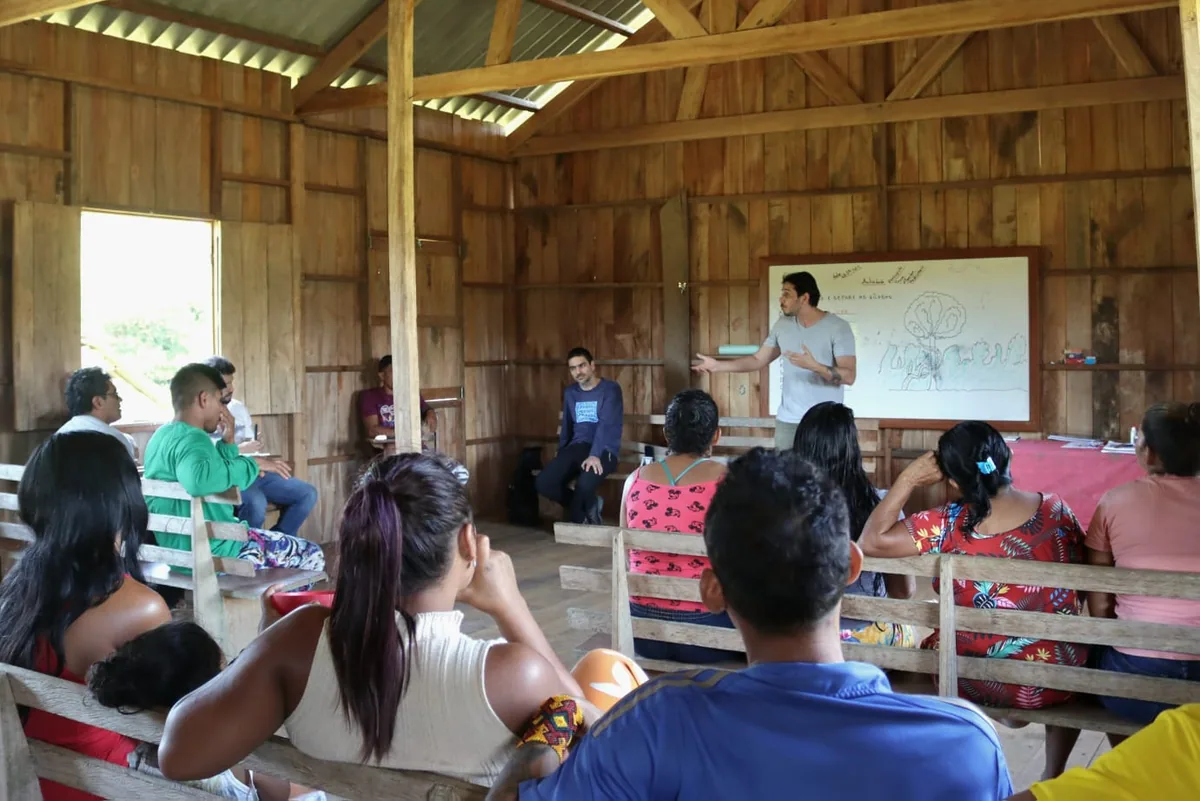
When the work requires territorial presence, conduct interviews, meetings, and field observation to understand how relationships, processes, and decisions work in practice.
04
Cross-check evidence
Compare documents, data, accounts, and observations to identify convergences, divergences, gaps, risks, and issues that a single source could not reveal.
05
Translate for decision-making
Organize evidence into analyses, scenarios, recommendations, and useful next steps for the organization that needs to make a decision or lead a process.
04About
About Japiim
Territorial intelligence from the Amazon
Japiim Lab is an independent consultancy based in Acre, in the Brazilian Amazon, dedicated to territorial intelligence, applied research, and socio-environmental advisory work.
We work on assignments where understanding the local context is essential to sound decision-making—from assessing projects and partners to social and territorial due diligence, governance, and consultation and participatory processes.
Our work combines field presence, investigation, documentary and institutional analysis, territorial data, and knowledge of the Amazonian context. Depending on the nature of each project, Japiim can bring together researchers and specialists from different fields to complement the required expertise.
Territorial knowledge and technical rigor must go hand in hand.
Leadership
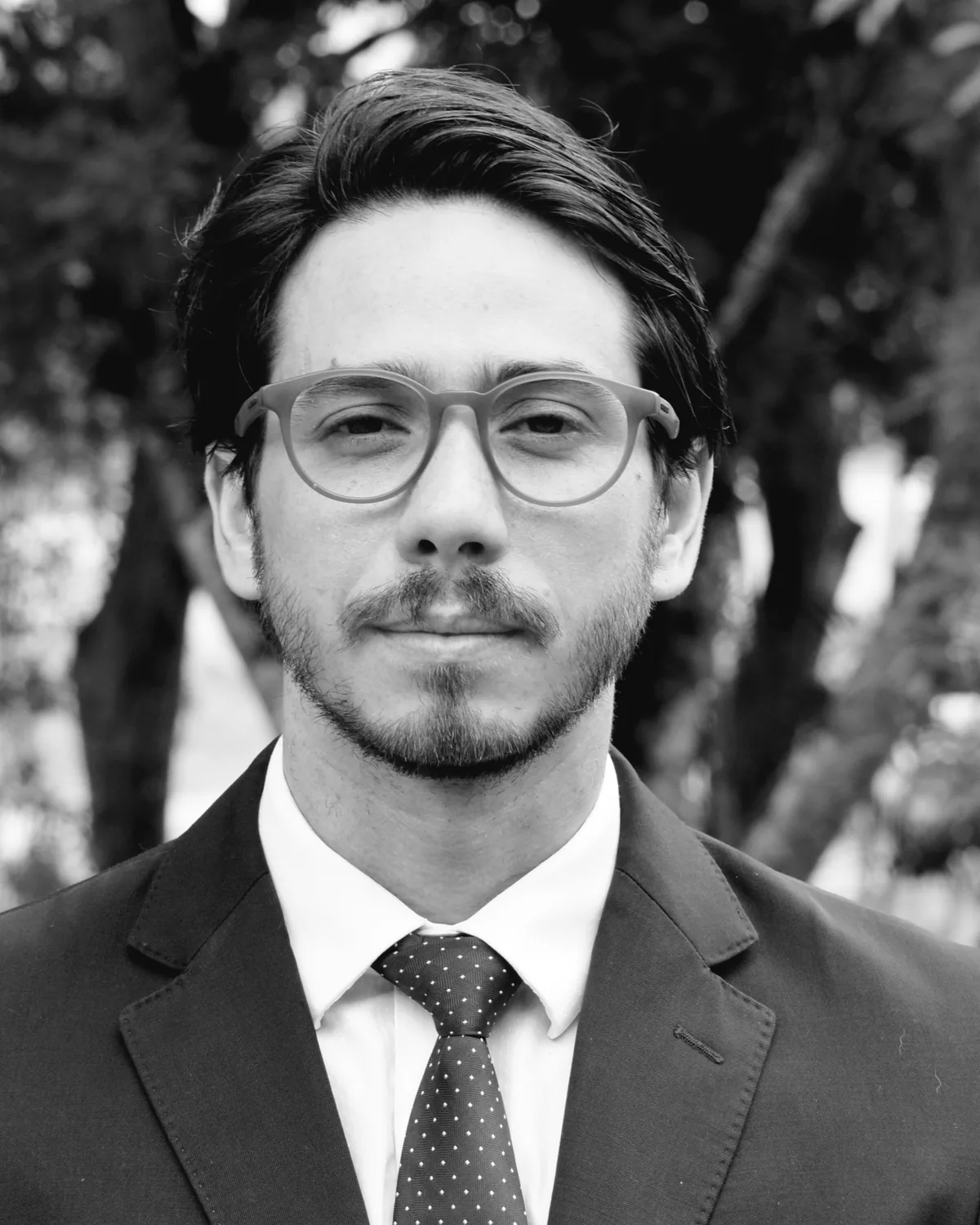
Igor Beydoun
Igor Beydoun is an Amazonian lawyer and socio-environmental consultant, founder of Japiim Lab and president of Fundação Txai.
His career combines legal and institutional experience with direct work in Amazonian territorial contexts. Early in his career, he joined the Milaré Advogados team, a recognized Brazilian environmental law firm, where he was exposed to complex environmental matters of national significance.
In recent years, he has focused his work on the Amazon, at the intersection of territory, governance, rights, research, and community relationships. His experience includes research and fieldwork, analysis of projects and socio-environmental risks, organizational and governance processes, facilitation, and work with Indigenous peoples, communities, organizations, and companies.
As president of Fundação Txai, he also participates in the design and delivery of socio-environmental initiatives and in ongoing engagement with Indigenous peoples and communities in the Juruá Valley.
05Contact
What do you need to understand before deciding?
If your organization is assessing a territory, project, or partnership, structuring a relationship with communities, or analyzing a participatory process, tell us about the context and the decision at stake.